
***NEW***

my story
On June 5th, 2020, I vividly remember cutting the grass, and then I woke up in the hospital. I could not speak or move, and I had no idea what was happening to me. There were tubes, wires, and diapers, along with horrible food. The nurses asked simple yes/no questions, to which I could only respond with thumbs up or thumbs down, a task that even confused me. Reading felt impossible; the letters were jumbled. To make matters worse, my wife Carol and family could not visit due to COVID-19 restrictions.
My only lifeline during this challenging time was an iPad that my son had bought for me. It truly saved my life and sanity. I had suffered an ischemic stroke, leading to Global Aphasia and Apraxia, conditions that made communication incredibly difficult.
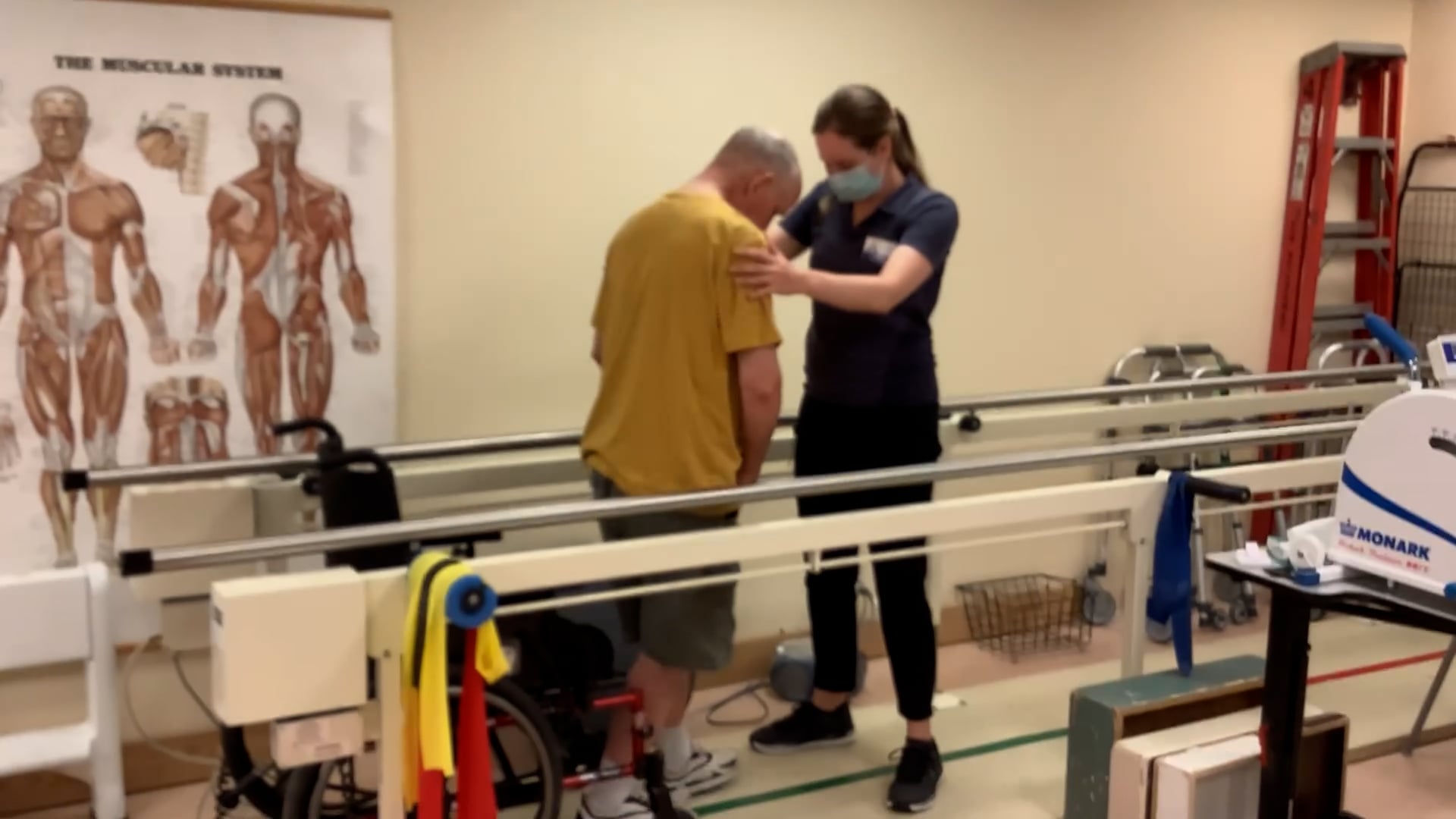
On June 22nd, I was transferred to St. Joe’s rehabilitation centre in Guelph, and I felt a flicker of hope. I had to go into isolation for the first two weeks, which meant I was confined to my room. During my recovery, I received speech therapy, physiotherapy, and occupational therapy from Monday to Friday, all part of my rehabilitation after stroke journey, until my release on August 6th. Thankfully, Carol was able to visit on July 15th, but it was only through plexiglass for 30 minutes. In my search for aphasia resources and stroke survivor support, I found strength and resilience that I didn't know I had.


Surgery
At the beginning of September, I underwent surgery at Guelph General Hospital to remove what the surgeon, Dr. Jayaram, referred to as 'crud' from my carotid artery, a procedure aimed at preventing another stroke. This meant another stay in the ICU, and it was my second attempt at the surgery. The day before, after spending four hours in pre-op, I was sent home because Dr. Jayaram was busy saving other people’s lives. As a stroke survivor, I’ve also been seeking aphasia resources and exploring rehabilitation after stroke options, as I know how crucial stroke survivor support can be in the recovery journey.
The year before
The year before my stroke, I woke up with my throat swelling up and I couldn’t breathe. My wife rushed me to the ER, where the doctor informed me that it was an allergic reaction to the medication I was taking for my high blood pressure (AMLODOPINE). Afterward, my family doctor referred me to a cardiologist, who recommended an ultrasound for my throat and an overnight study for sleep apnea. The cardiologist diagnosed me with sleep apnea and suggested I use a CPAP machine. Following my stroke, it was advised that I undergo surgery on my carotid artery due to it being 80% blocked. The doctor who performed the surgery mentioned that the blocked carotid artery should have been diagnosed a year earlier by the cardiologist. As a stroke survivor, I now seek aphasia resources and rehabilitation after stroke, and I appreciate the support from fellow stroke survivor support groups.